AegisAI Perspectives · 080
FINRA expects firms to confirm an emailed instruction came from the customer, act on red flags and document a callback before customer assets are moved.
FINRA expects firms to verify that an emailed instruction to move customer assets was in fact sent by the customer4, using a method that can be documented, such as a confirmation call to an established phone number16. AegisAI bases each verdict on what this sender has sent you before and on the request itself26. Under Regulatory Notice 12-05, a transfer to an unfamiliar third party account or a request that stresses urgency is a red flag the firm's procedures must identify and respond to.
For the wider set of email controls at a financial firm, read the hub on email security for financial services, which maps each control to its source, including FINRA's 2026 finding on account impersonation20.
FINRA Regulatory Notice 12-05 reported an increasing number of cases where customer funds were stolen through instructions emailed from compromised customer accounts1. The perpetrators typically emailed the brokerage firm from the customer's personal account with instructions to wire funds to an account, often overseas, that they controlled.
Regulatory Notice 12-05 also records that in some cases firms released funds after unsuccessfully attempting to verify the emailed instructions by phone2. FINRA's 2026 Annual Regulatory Oversight Report still lists account impersonation through a compromised or spoofed email address as a threat, often ending in a third-party wire transfer request.
Regulatory Notice 21-18 points firms to their FINRA Rule 3110 (Supervision) obligation to determine the authenticity of transmittal instructions15. Under Regulatory Notice 12-05, those written procedures must include a means or method of customer confirmation, notification or follow up that can be documented.
Many firms in FINRA's account takeover roundtable moved away from using email addresses as authentication factors, because email account breaches are common.
Check each emailed instruction for the Regulatory Notice 12-05 red flags: a transfer to an unfamiliar third party account, a request out of the ordinary, and urgency. Firms described in Regulatory Notice 21-18 also screened customer emails for social engineering signs such as grammar or spelling problems.
Firms in the Regulatory Notice 21-18 roundtable required a confirmation phone call to the customer on an established phone number when suspicious activity appeared. Hold the instruction when the call does not reach the customer, because Regulatory Notice 12-05 records funds released after unsuccessful phone checks.
FINRA's 2026 oversight report lists as an effective practice reviewing email addresses and verifying signatures associated with third-party accounts when funds are requested to go to or from them19.
FINRA Rule 4512 asks for a trusted contact person age 18 or older for the account21. Under FINRA Rule 2165, a Specified Adult includes a person age 65 and older22, and a temporary hold on a disbursement expires not later than 15 business days after it is placed. Rule 2165 requires notice of the hold to the account parties and the trusted contact within two business days.
Regulatory Notice 09-64 asks firms to adequately document the steps taken to verify an instruction and keep the record under books and records requirements11.
Regulatory Notice 09-64 says firms must train employees to follow the procedures rigorously, even in what appear to be routine situations. The same notice says procedures should include random sampling and testing of even routine transfers and withdrawals.
Under Regulatory Notice 12-05, a clearing firm and an introducing firm may agree that the introducing firm verifies the customer's identity and that the instructions came from the customer9. FINRA Rule 4311(c) still gives the carrying firm the responsibility for safeguarding customer funds and securities.
| Step | What FINRA says | Source | Record to keep |
|---|---|---|---|
| Procedure | Determine the authenticity of transmittal instructions | Regulatory Notice 21-18 | Written supervisory procedure for emailed instructions |
| Sender check | Verify the email was in fact sent by the customer | Regulatory Notice 12-05 | Verification method named in the procedure |
| Red flags | Unfamiliar third party account, unusual request, urgency | Regulatory Notice 12-05 | Red flag checklist on each request |
| Callback | Confirmation call on an established phone number | Regulatory Notice 21-18 | Call log with number and time |
| Receiving account | Review email addresses and verify signatures for third-party accounts | 2026 oversight report | Signature check result |
| Older customers | Trusted contact, hold of up to 15 business days | Rules 4512 and 2165 | Hold notice and internal review |
| Evidence | Document the verification steps | Regulatory Notice 09-64 | Verification record per request |
| Testing | Random sampling of routine transfers | Regulatory Notice 09-64 | Monthly sample results |
Illustrative example, figures are fictional. An email from the personal address of a 71 year old customer asks her introducing broker-dealer to wire $140,000 today to a new third party account at another bank, with a signed letter of authorization attached. The operations desk matches two Regulatory Notice 12-05 red flags: an unfamiliar third party account and a same-day deadline. The email also asks the firm not to call, which fits the Regulatory Notice 12-05 red flag of a request designed to deter verification. Following its Rule 3110 procedure, the desk ignores the phone number in the email signature and calls the number on file from account opening. The customer answers and says she sent nothing, so the desk logs the call time, number and outcome in the verification record. Because she is a Specified Adult under Rule 2165, the firm places a temporary hold and notifies her and her trusted contact the next business day.
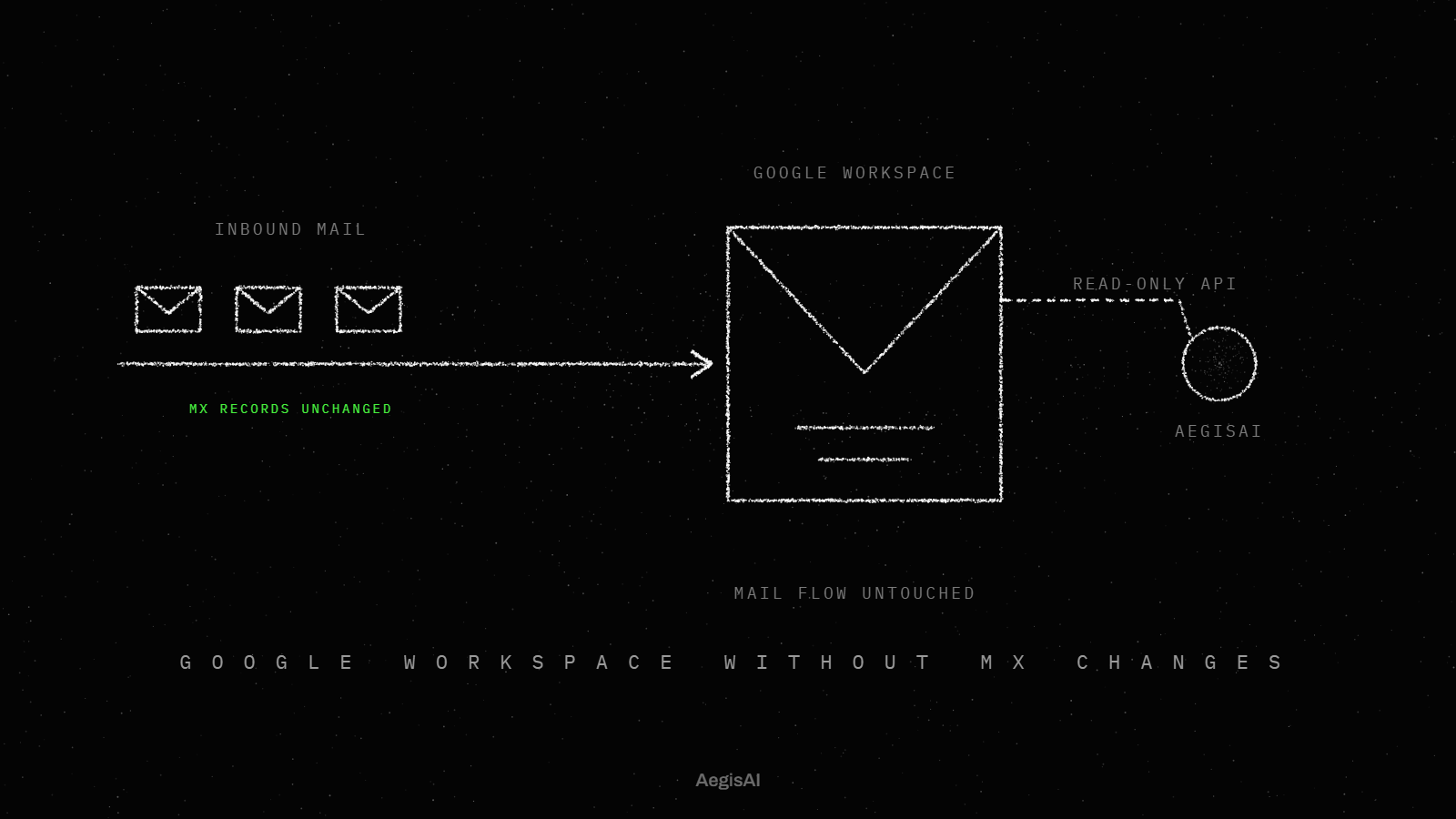
AegisAI bases each verdict on what this sender has sent you before and on the request itself. Every verdict arrives with the evidence, so an analyst can confirm it in seconds. AegisAI connects by API and works after delivery. You can run it in monitoring mode on live mail with no MX change, then turn on removal; read the BEC and vendor fraud protection page or see it on your own mail.
Regulatory Notice 12-05 requires a means of customer confirmation, notification or follow up that can be documented. A confirmation call to an established phone number is the method firms described to FINRA in Regulatory Notice 21-18.
A reply goes to the same mailbox, so when the customer's account is compromised the attacker answers it. Many firms in the Regulatory Notice 21-18 roundtable stopped using email addresses as authentication factors for this reason, and Regulatory Notice 12-05 asks for a method that shows the email was in fact sent by the customer.
Regulatory Notice 12-05 lists requests out of the ordinary, transfers to an unfamiliar third party account, and requests that show urgency or seem designed to deter verification. Firms in the Regulatory Notice 21-18 roundtable also screened customer emails for grammar or spelling problems.
Under FINRA Rule 2165, a temporary hold expires not later than 15 business days after it is placed, unless a regulator or court ends or extends it. The rule applies to Specified Adults, which includes customers age 65 and older.
Under Regulatory Notice 12-05, the two firms can agree that the introducing firm verifies the customer's identity and that the instructions came from the customer. FINRA Rule 4311(c) still gives the carrying firm the responsibility for safeguarding customer funds and securities.